adfkafjikashisdh
adfkafjikashisdh
hbfsfdbhfsd
Vivamus id felis purus. Donec varius ex vitae pharetra cursus. Phasellus a massa tortor. Sed elementum varius orci nec ornare. Duis placerat odio non orci aliquam, vel finibus ipsum pretium. Aliquam mattis nulla a risus blandit, at tincidunt ipsum ultricies. In purus est, ullamcorper id tellus ut, lacinia imperdiet dui.
Lorem ipsum dolor sit amet, consectetur adipiscing elit. Donec semper, velit eu cursus fermentum, nunc justo volutpat justo, id vulputate metus mi vel est. Vestibulum nisi risus, eleifend in metus vitae, tincidunt eleifend velit. Sed feugiat, lectus non semper fringilla, ligula mauris fermentum urna, vitae bibendum lectus lacus quis felis. Cras tempus purus non aliquam porttitor. Sed viverra felis sit amet hendrerit tincidunt.
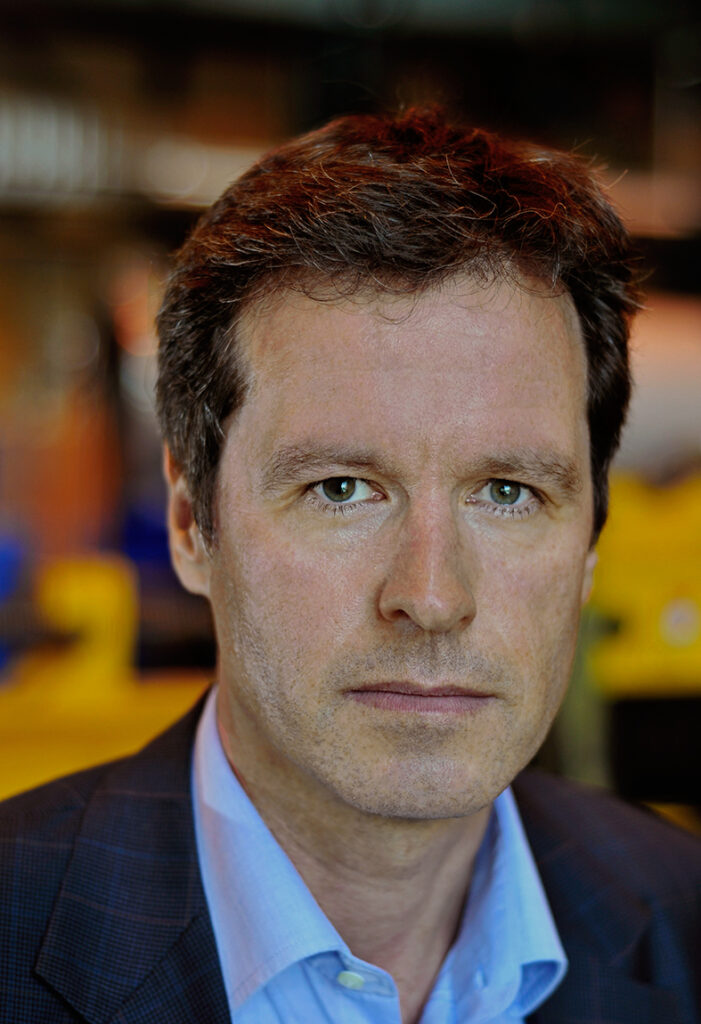
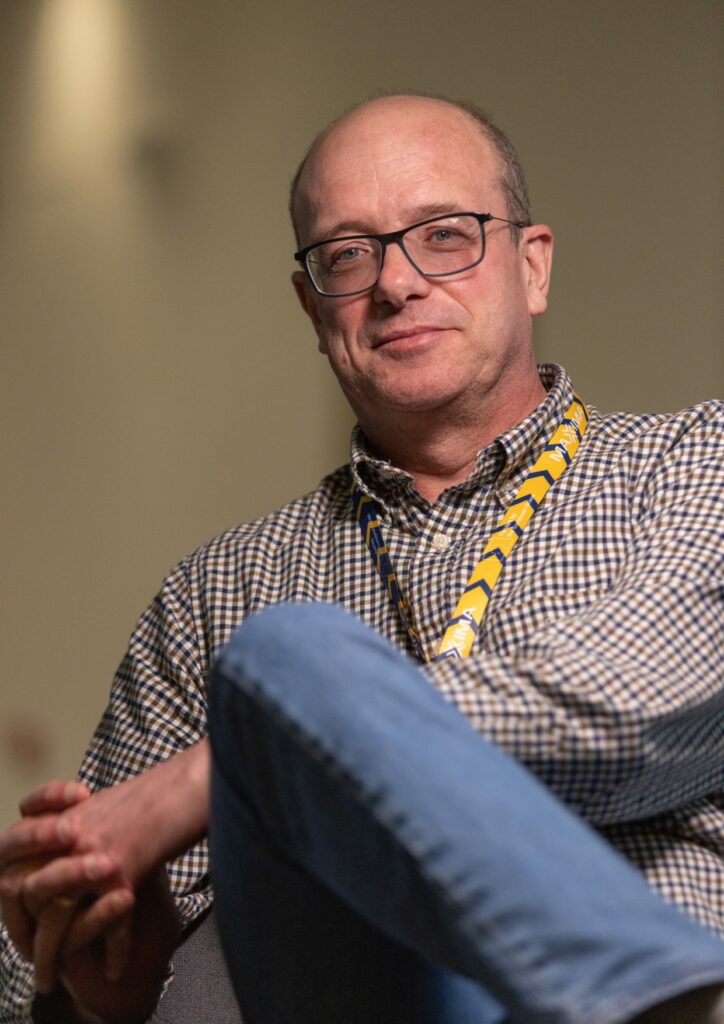
He received the Ph.D. degree in engineering from Hokkaido University in 1992. He has been a professor at Graduate School of Information Science and Technology, Hokkaido University, since 2004. He was a guest researcher at Berlin Technical University, Germany, under support from the Humboldt Foundation from 1995–1997. His research area is computational electromagnetism, optimal design and AI-based design of electric machines. He has authored and coauthored more than 300 peer-reviewed journal papers. He is the author of the book entitled “Topology Optimization and AI-based Design of Power Electric and Electrical Devices” published from Academic Press in 2024.
Inverse problems to find input parameters for desired output goals are of utmost importance to engineers and problem-solvers. In the context of optimization problems, any arbitrary output objective value may not be achievable with a feasible and attainable input variable vector, making the task challenging. However, when multiple conflicting goals are present in an optimization problem, instead of an objective vector, an identifier vector can set as a goal vector for the inverse problem-solving task. Moreover, the availability of a set of Pareto-optimal solutions for multiple conflicting objective allows a machine learning method to be used to execute the inverse problem-solving task. In this keynote talk, we shall introduce principles of multi-objective optimization, discuss recent advances in the field of evolutionary multi-objective optimization (EMO), and present the identifier-based inverse problem-solving method using a machine learning approach. Results will be shown on test problems and a real-world engineering design problem from an automobile industry.
This lecture begins with an overview of topology optimization (TO) versus parameter optimization, and introduces stochastic TO using the normalized Gaussian network and various numerical examples, some of which are compared with experiments. We then extend this method to realize hybrid parameter-topology optimization, multi-material optimization, and TO using the kernel basis functions. Finally, we discuss the difficulties in stochastic TO and its future prospects.
Sed venenatis neque in hendrerit consequat. Aliquam id condimentum odio.
Curabitur in diam velit. Morbi sed gravida augue. Fusce cursus ornare urna in sodales.
Donec massa libero, auctor in ex vitae, tincidunt scelerisque ante.
Fusce venenatis lacinia neque ut aliquet. Praesent pulvinar pellentesque nisi id cursus.